
Selling your home and buying a new one can feel like an intricate balancing act. Coordinating the sale of your current property with the purchase of your next one often involves tight timelines and logistical challenges. Thankfully, bridge financing offers a practical solution, allowing you to move forward with your purchase while finalizing the sale of your existing home.
Imagine this: you’re planning a big move, whether it’s from one house to another or even to a new city. You’ve found the perfect property—the one that feels like it’s meant to be yours. But there’s just one problem: your funds won’t be available until next month, from the sale of your current home.
The clock is ticking, and the thought of losing your dream home feels like a heavy weight on your chest. That’s where bridge financing comes in—a lifeline designed just for situations like this.
Bridge financing is a short-term loan that helps you cover the gap between buying your new property and receiving the funds you’re waiting for. It gives you the freedom to secure that perfect home now without the stress of timing holding you back.
Think of it as your financial safety net. It’s the bridge that connects where you are today to where you want to be tomorrow. Whether you’re upgrading, downsizing, or starting fresh in a new city, bridge financing ensures you don’t have to miss out on an opportunity because of temporary cash flow challenges.
As a REALTOR® with 2% Realty, I focus on helping clients make smooth transitions while saving money on commissions. For homeowners considering options like bridge financing, working with the right professionals is key. That’s why I’ve connected with experts like Atif Muhammad, founder of Atlas Mortgage Group, to provide valuable insights for my clients. Let’s explore how bridge financing works and how it can simplify your move.
What is Bridge Financing?
Bridge financing is a short-term loan designed to “bridge” the financial gap between buying a new home and selling your current one. It allows you to use the equity in your existing property to fund the purchase of your next home.
One important requirement for bridge financing is having a firm sale agreement in place for your current home. This means you’ll need a signed purchase contract with a buyer, including a confirmed closing date, before the loan can be approved.
According to Atif Muhammad of Atlas Mortgage Group, “Bridge financing is an excellent option for homeowners who have a firm sale agreement on their property but need temporary funding to secure their next home. It offers the flexibility to transition without the stress of perfectly timed closings.”
How Does Bridge Financing Work?
Here’s a general overview of how bridge financing works:
- Secure a Firm Sale Agreement
Before applying for a bridge loan, you’ll need to have sold your current home with a signed agreement in place. - Calculate Your Equity
The lender assesses the equity in your current home to determine how much you can borrow. For example, if your home is valued at $600,000 and you owe $400,000, you may be able to borrow against the $200,000 in equity. - Obtain a Short-Term Loan
Once approved, the bridge loan provides the funds needed for a down payment or closing costs on your next home. These loans typically last a few weeks to a few months. - Repay the Loan
When your current home closes, the proceeds from the sale are used to repay the bridge loan, including any interest and fees.
What Does Bridge Financing Cost?
Bridge financing offers flexibility, but it’s important to understand the associated costs:
- Interest Rates: Typically higher than standard mortgage rates, bridge financing rates often range from 7% to 10% annually.
- Administrative Fees: These usually fall between $200 and $500, depending on the lender and loan terms.
Example:
If you borrow $500,000 at a 10% interest rate for two weeks, the total cost—including interest and administrative fees—would likely be around $2,500 to $3,000. While the duration is short, these costs can add up, so it’s essential to plan ahead and budget accordingly. Always confirm the exact terms with your mortgage broker to ensure there are no surprises.
How 2% Realty Can Help
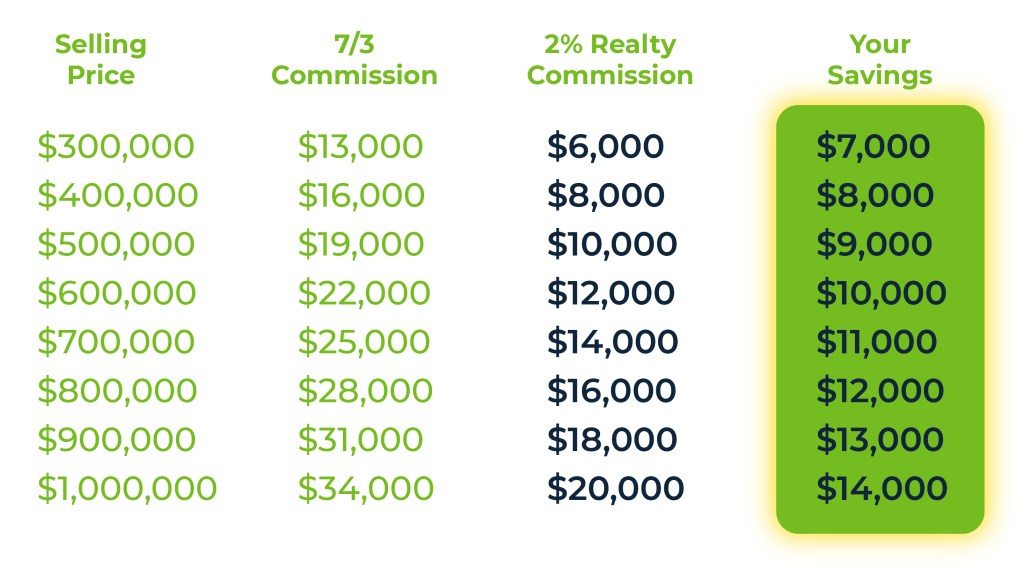
At 2% Realty, our goal is to simplify your move and save you money. With our full-service approach and a flat 2% commission model, you’ll keep more of your equity to put toward your next home. This, combined with the flexibility of bridge financing, can make your transition as seamless as possible.
Here’s how much you can save with Derek Chevrefils and 2% Realty:
How to Get Started
If you’re considering bridge financing, here’s how to move forward:
- Consult a Mortgage Broker
Professionals like Atif Muhammad of Atlas Mortgage Group can guide you through the process, explain the costs, and help you secure the right financing for your situation. - Plan Your Sale and Purchase
Work with an experienced REALTOR® to ensure your current home sells quickly and for the best possible price, aligning your timelines with your purchase. Check out the Home Seller’s Guide for step-by-step instructions on how to sell your home. - Align Your Goals
With the right strategy and professional support, you can make your next move without unnecessary stress or delays.
Let’s Make Your Move Easier
Buying a new home while selling your current one doesn’t have to be complicated. With bridge financing and the savings from the 2% Realty model, you can transition smoothly and keep more money in your pocket.


 2% Realty Calgary